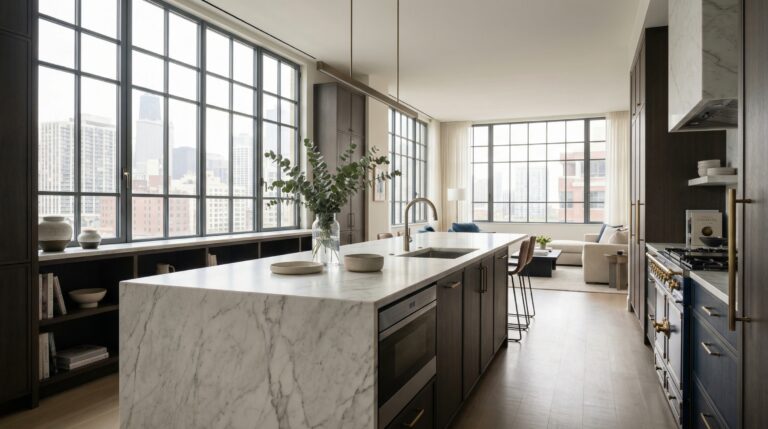
What Do You Wish You Knew Before Remodeling Your Kitchen?
Remodeling your kitchen is an exciting journey, but it can also be full of surprises. Many Chicago homeowners, whether living in a classic bungalow or a modern condo, often finish a remodel thinking, “I wish I had known that beforehand!” This friendly guide will walk you through practical tips and common mistakes to avoid so you can plan a successful kitchen remodel before the demolition starts. From budgeting and layout to lighting and backsplash choices, here’s what to know for a smoother, smarter kitchen renovation.
Plan Your Budget (and Expect Surprises)
One of the first things to tackle is your budget. It’s crucial to decide what features are most important to you (new cabinets, better appliances, more lighting, etc.) and allocate funds accordingly. Be realistic and include a contingency: no matter how meticulously you plan, unexpected costs can pop up during construction. Experts advise setting aside an extra 10–15% of your budget to cover unforeseen expenses. This cushion can save you stress when surprises like structural fixes or additional labor costs come up. Also remember to factor in permits and inspections – homeowners often overlook these, but their fees add up quickly and depend on your project’s scope.
Keep an open mind about timing and prepare for potential delays. Supply chain issues, weather, or permitting processes can all slow down a kitchen remodel. Ordering key materials and appliances well in advance is a smart move. In fact, designers note that appliances often have long lead times these days – make sure new appliances arrive before you start tearing out the old kitchen. It’s better to store a stove in your garage for a few weeks than to have a finished kitchen with a big hole where the range should be! And if you’re living in the home through the renovation, budget not just money but also some patience and planning for the disruption. Set aside funds (and takeout menus) for dining out or temporary lodging if needed, but you can also create a workaround at home, which brings us to our next tip.
Living through a kitchen remodel can be challenging. Setting up a temporary mini-kitchen – say, in a corner of your dining room or basement – will make daily life easier during construction. Include essentials like a microwave, hot plate or portable cooktop, coffee maker, and a mini-fridge so you can still prepare simple meals. Having a **“makeshift space” for cooking and food storage is key to maintaining the lowest possible level of chaos during a remodel. You might not love washing dishes in the bathroom sink for a while, but a little prep in advance will keep your household running as smoothly as possible until your new dream kitchen is ready.
Design the Layout with Function First
Before you start obsessing over countertop colors or backsplash patterns, step back and plan your layout and workflow. Ask yourself: how do you use your kitchen now, and what would you change to make it better? Professionals always encourage homeowners to think about function and usage before looks. “Figure out your workflow, your appliance needs, and your access to utilities,” as one interior designer puts it – in other words, design your kitchen around how you cook and move in the space, not just how you want it to look. If you love to entertain, maybe an open-plan layout with an island for guests to gather around is key. If you’re an avid baker, you might prioritize plenty of counter space near the oven.
As you map out the layout, keep the classic “kitchen triangle” (fridge, stove, sink) or work zone concept in mind so these primary areas are efficiently positioned. Also consider appliance placement carefully – a common mistake is sticking with a familiar but awkward arrangement. For example, just because the dishwasher has always been to the right of the sink doesn’t mean it’s ideal there if it disrupts your workflow. You might actually want it on the left so loading dishes is more logical for you. Similarly, be mindful of clearances and walking space. In tighter city kitchens, every inch counts! Make sure you allow enough room for doors to open and people to pass. That means thinking about things like refrigerator doors and oven doors – they shouldn’t bang into each other or into cabinets. Leave adequate aisle space (designers recommend about 48 inches between an island and the counter behind it as a comfortable minimum) so two people can work without a traffic jam.
Another thing homeowners wish they’d known is how moving utilities can impact the project. If possible, try to keep major appliances in the same locations to save time and money. Moving a sink or stove to a new wall might achieve your dream layout, but remember it involves running new plumbing, gas, or electrical lines, which can significantly increase the project time and budget. If you do need a completely new layout, plan those changes early and discuss them with your contractor to understand the implications. Sometimes a slightly less drastic change (like keeping the sink where it is but rearranging cabinets around it) can still give you a fresh look without costly re-routing of pipes and wires.
Prioritize Cabinetry and Storage Solutions
Your kitchen cabinets are the workhorses of the space – and a major part of the budget. It might be tempting to save money on cabinetry, but investing in quality cabinets pays off in durability, functionality, and even home value. Well-built, high-quality cabinets are one of the most valuable investments in a kitchen remodel, setting the tone for both style and daily function. As one designer advises, “well-done cabinetry should be a priority in the budget” because skilled fabrication (think flush doors, tight joints, smooth glides) makes a noticeable difference in how your kitchen looks and feelssouthernliving.com. Cheaper, stock cabinets might wear out or not optimize your space, whereas custom or semi-custom cabinets can be tailored to your needs. For Chicago homeowners, that could mean maximizing storage in a smaller Galley kitchen or adding cabinets up to the ceiling in an old house with high ceilings.
Plan out your storage in detail. A kitchen remodel is the perfect time to ensure you have a place for everything, so take inventory of what you currently store and what new storage you need. Think about where the pots, pans, cutting boards, and even the trash bin will go (you’d be surprised how often the trash can is forgotten in designs!). Many people regret not including enough storage once they start using their new kitchen. Avoid this by opting for smart storage solutions: large pull-out drawers for pots, dividers for baking sheets, pull-out trash and recycling bins, and pantry organizers. Measure your new cabinets and drawers to make sure they’ll fit your tallest cereal boxes or that jumbo mixermarthastewart.com. If you have awkward corners, consider installing a lazy Susan or corner pull-outs so no space is wasted.
It’s also wise to future-proof your storage a bit – families grow and cooking habits change. Add a little extra space where you can. And if your budget allows, consider upgrading to soft-close hinges and quality hardware; those touches contribute to longevity. Remember, cabinets get daily wear and tear, so durability is key. Skimping on cabinetry quality (or assembly) can lead to issues down the road, so choose the best you can afford. In the long run, solid cabinets will keep your kitchen looking and functioning great, whereas flimsy ones might sag, chip, or need replacing much sooner than you’d like.
Lighting: Don’t Leave It as an Afterthought
Good lighting is essential in a kitchen, yet it’s often an afterthought in remodel planning. In truth, lighting can make or break both the functionality and mood of your new kitchen. Think beyond a single ceiling fixture – designers strongly recommend layering your lighting with ambient, task, and accent lighting for the best result. Ambient lighting provides overall illumination (for example, recessed ceiling lights or a central pendant that lights the general area). Task lighting focuses on specific work zones – under-cabinet lights shining on your countertops, pendant lights over an island, or a light over the sink to help with food prep and cleanup. Then there’s accent or decorative lighting, which adds warmth and highlights features (like inside glass-front cabinets or wall sconces that frame the kitchen window). Combining these layers ensures your kitchen is bright and workable when you’re cooking up a storm, but also cozy and inviting when you’re enjoying a late-night cup of tea.
Proper lighting design can completely transform the look and feel of your kitchen. By incorporating multiple light sources – recessed lights, pendants, under-cabinet strips, and even toe-kick or above-cabinet accent lights – you’ll enhance both functionality and ambiance in the space. Strategically placed task lighting makes cooking safer and easier (no more chopping veggies in your own shadow!), while ambient and accent lighting create a warm atmosphere for entertaining or everyday family time. Don’t forget to maximize natural light, too. If you have a window, keep it unobstructed and consider treatments that allow light in. And always choose fixture sizes that suit your space; oversized or too-small fixtures can throw off the balance. With a thoughtful lighting plan, your kitchen will be a joy to work in and a delight to behold, day or night.
When planning electrical work for the remodel, be sure to add enough outlets and circuits for all your needs. It’s much easier to install outlets during a renovation than to wish you had later. Plan for outlets along the counter perimeter and on the island, and even inside a pantry or cabinet if you want to tuck away appliances like coffee makers or toasters. Many homeowners opt for handy additions like USB outlets or under-cabinet plug strips to keep gadget cords out of sight. Also consider dedicated wiring for things like a microwave drawer, wine fridge, or that high-powered blender – plan it now so you’re not tripping breakers later. A well-lit, well-powered kitchen not only looks great but also makes cooking and hosting far more enjoyable.
Backsplash and Flooring: Marry Style with Practicality
Your choice of backsplash and flooring are key design decisions that also need to hold up to daily wear. These surfaces set the tone for your kitchen’s style – whether it’s a sleek modern tile backsplash or a classic hardwood floor – but it’s crucial to pick materials that fit your lifestyle. Homeowners often get seduced by beautiful materials without considering how they’ll work together or how they’ll age. Remember that not every gorgeous tile and countertop pair well: a busy granite with a flashy patterned backsplash can overwhelm the space. It’s wise to edit your material choices and aim for a coordinated look rather than too many competing elements. Just because two options are lovely individually doesn’t mean they’ll be lovely side by side. Try to keep a consistent theme or palette for a clean, intentional design.
When choosing a backsplash, think about maintenance as well as looks. Glossy ceramic tiles with tight grout lines might require more cleaning to keep the grout pristine, whereas a slightly larger format tile or porcelain slab could be easier to wipe down (fewer grout lines). Classic subway tile is a popular choice for a reason: it’s affordable, timeless, and works with many styles. But there are endless options – from glass mosaics to natural stone – so consider getting samples and seeing them in your space. If you love a pop of color or pattern, the backsplash is a great place to express personality since it can be changed later with less hassle than, say, the flooring or cabinets. Just avoid ultra-trendy designs that you might tire of quickly. You want to love your backsplash for years to come.
For flooring, durability and comfort are key. The kitchen is a high-traffic, sometimes high-spill area, so choose a floor that can take some abuse. Porcelain or ceramic tile is extremely durable and easy to clean (and PM-Tile has a vast selection of styles, from wood-look planks to elegant stone-inspired tiles, to suit any design). Tile is especially practical for families with kids or pets – one designer noted she chose porcelain tile over wood in her kitchen because it’s so much easier to clean with young children aroundhouseandgarden.co.ukhouseandgarden.co.uk. If you do go with tile, be sure to pick something that isn’t too slippery and consider a mat or rug by the sink for comfort. Hardwood floors bring warmth and continuity with the rest of the house, but they can scratch or warp with water exposure, so you’ll need to be a bit careful. Some homeowners opt for luxury vinyl planks (LVP) or engineered wood for more water resistance and easy upkeep – for instance, LVP is highly scratch-resistant compared to natural wood, a plus if you have pets.
Don’t forget the transition between your kitchen floor and adjacent rooms; a smooth, level transition is safest. And if you live in Chicago’s colder climate, you might even think about radiant floor heating under tile floors for those chilly winter mornings (nothing like a warm floor underfoot in January!). Whatever materials you choose, balance style with practical considerations like durability, ease of cleaning, and how it feels to stand on while you cook. You can absolutely have a floor and backsplash that are both stunning and sensible.
Tip: Visit local showrooms or suppliers to see and feel materials in person. As a Chicago-based provider, PM-Tile offers design consultations where you can explore different tile, flooring, and backsplash options with an expert. This kind of hands-on guidance can ensure you select materials that complement your design vision and stand up to daily use – no more second-guessing whether that countertop goes with that backsplash, or if your flooring will endure heavy foot traffic. Leverage local expertise to make informed choices you won’t regret later.
Common Kitchen Remodeling Mistakes to Avoid
Even with the best planning, it’s easy to overlook some details. Here are some common mistakes homeowners often make during a kitchen remodel – watch out for these, and you’ll save yourself a lot of hassle and “if only I’d known” moments:
- Starting without a detailed plan: Jumping into demolition or construction without a well-thought-out design and scope of work can lead to costly changes later. Avoid an “oops” midway by finalizing your layout and selections before work begins. Changes on the fly often cause delays and budget overruns, so take the time to plan now to save headaches later.
- Underestimating the budget: Don’t forget those hidden costs. Price out everything you can, then remember that 10–15% contingency we mentioned. A common regret is running out of funds for finishing touches because something unexpected popped up. Plan for permits, taxes, delivery fees, and a little splurge money for that must-have upgrade. If you come in under budget, great – you can treat yourself to a fancy new espresso machine for your beautiful new space!
- Neglecting lighting and electrical needs: Relying on one overhead light will leave you with shadows and frustration (not to mention it can make your kitchen look dull). Layer your lighting as discussed, and be generous with outlets. A well-lit, well-powered kitchen is safer and more enjoyable. It’s much easier to install extra outlets now than wishing you had later.
- Not considering appliance and cabinet clearances: Measure, measure, measure! Ensure there’s room for the refrigerator door to swing fully, and that you can open all drawers without hitting an island or wall. One designer advises using tape on the floor to map out clearances if needed. Also account for how much space doors and drawers need when open so they don’t collide with each other. A beautiful cabinet isn’t much good if you can only open it halfway.
- Forgetting about the trash (and other small details): It sounds silly, but many people forget to plan where the garbage and recycling will go. Include a pull-out bin in your cabinet design or space for cans in the pantry. Similarly, think about where you’ll store things like dish towels, cleaning supplies, or pet food. These everyday items need a home in your new kitchen so they don’t clutter up your nice new counters.
- Choosing style over substance (or trends over timelessness): That trendy bold color or ornate cabinet style you saw on Pinterest might be hot this year, but will you love it in five? Make sure your core design has a timeless quality so you won’t feel the need to redo it when fads change. Also, prioritize durable, low-maintenance materials over fussy ones. For example, marble countertops are stunning but prone to staining and etching – if you’re not up for the upkeep, consider a quartz look-alike that gives the beauty without the worry. In short, choose materials and finishes that suit your real-life habits, not just the showroom image.
- Trying to DIY everything: We all love a good Do-It-Yourself project, but a kitchen remodel is not the place to wing it unless you’re very experienced. Tackling complex tasks (like electrical, plumbing, or cabinet installation) without a pro can lead to costly mistakes or even safety issues. As one expert put it, “going at it alone could end up costing you more time, money, and mistakes than you bargained for”. By all means, paint a wall or swap hardware yourself, but for the heavy lifting, consider hiring reliable professionals. It will save you stress and likely money in the long run if things are done right the first time.
Bringing in Professional Help (It Can Save You Money!)
Some homeowners worry that hiring a kitchen designer or consultant is an unnecessary expense, but the truth is, professional guidance can actually save you from expensive errors. Experienced designers and remodelers have been through the process many times and know the pitfalls to avoid. They can advise you on everything from optimal layout to the best materials for your budget, helping you make choices that you won’t regret. In fact, doing it right the first time means you won’t be paying to fix mistakes later. As one designer wisely said, engaging a professional may seem costly upfront, but “it’s far less expensive than making big mistakes in the most important room of your home”.
If you’re remodeling in Chicago, you also have the advantage of local expertise. Working with a local company like PM-Tile, which offers design consultations and knows the ins and outs of Chicago homes, can be a game-changer. They can help ensure your design not only looks great in a showroom but also fits your space and lifestyle. Local pros are familiar with Chicago building codes, the styles of area homes, and even practical considerations like insulating pipes against our winter freezes. Whether it’s picking out the perfect Chicago-style subway tile backsplash or laying out a functional work triangle in a tight city kitchen, an experienced eye can tailor the project to your needs. Don’t hesitate to tap into that knowledge – it can turn an overwhelming project into a collaborative and enjoyable experience.
Remodeling your kitchen is a big undertaking, but with careful planning and the right team on your side, it’s absolutely worth the effort. By budgeting smartly, prioritizing function in your layout, avoiding common mistakes, and choosing materials and lighting that marry style with practicality, you’ll end up with a kitchen that not only looks amazing but also works beautifully for your everyday life. And when in doubt, remember that you’re not alone – plenty of resources (and local Chicago experts like PM-Tile) are available to guide you. Here’s to creating a kitchen you’ll love and zero regrets when it’s all done! Enjoy the remodeling journey, and soon you’ll be cooking in the kitchen of your dreams.
Sources:
- Milstein, Hallie. 8 Things Designers Wish You Knew Before Starting A Kitchen Remodel. Southern Living, Sep. 9, 2024southernliving.comsouthernliving.comsouthernliving.comsouthernliving.comsouthernliving.com.
- 10 Essential Things to Know Before Remodeling Your Kitchen. J&RS Remodelers, 2025jrsduluth.comjrsduluth.comjrsduluth.com.
- 10 Kitchen Renovation Mistakes to Avoid, According to Interior Designers. Martha Stewart, Oct. 25, 2023marthastewart.commarthastewart.commarthastewart.commarthastewart.commarthastewart.com.
- Finn, Katie. Avoid Kitchen Renovation Regrets: Top 6 Tips You’ll Wish You Knew First. Patrick A. Finn blog, Jan. 5, 2023patrickafinn.compatrickafinn.compatrickafinn.com.
- Cording-Booth, Eleanor. Things I Wish I’d Known Before I Started My Kitchen Renovation. House & Garden (UK), Jun. 7, 2024houseandgarden.co.ukhouseandgarden.co.uk.