Freestanding vs. Built-In Bathtubs: Pros, Cons & Cost
Choosing a new tub is one of the biggest style decisions in a bathroom remodel, and the freestanding vs built-in tub question comes up on almost every project. One is a sculptural centerpiece; the other is a space-saving workhorse. Neither is better for everyone, so the right answer depends on your floor plan, your habits and your budget.
This guide compares the two styles side by side, covers the pros and cons of each, and explains what drives the cost of either choice. Pricing is individual and depends on scope, so we focus on the factors that matter rather than quoting numbers.
What Is the Difference?
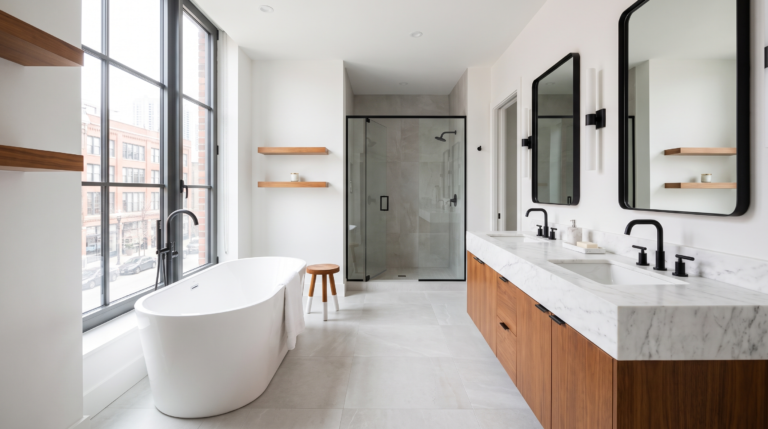
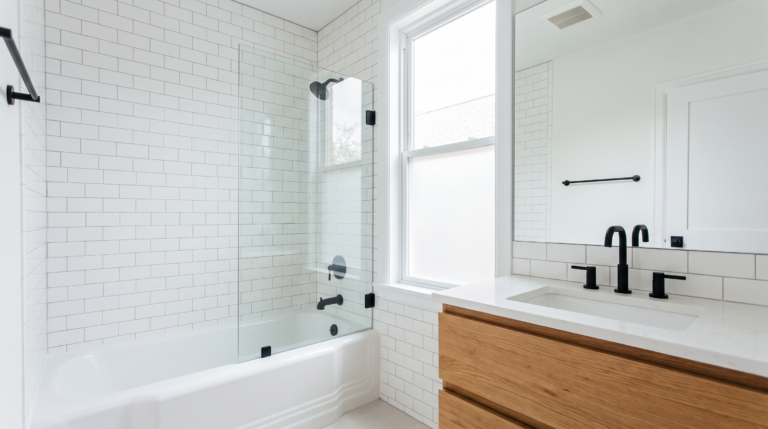
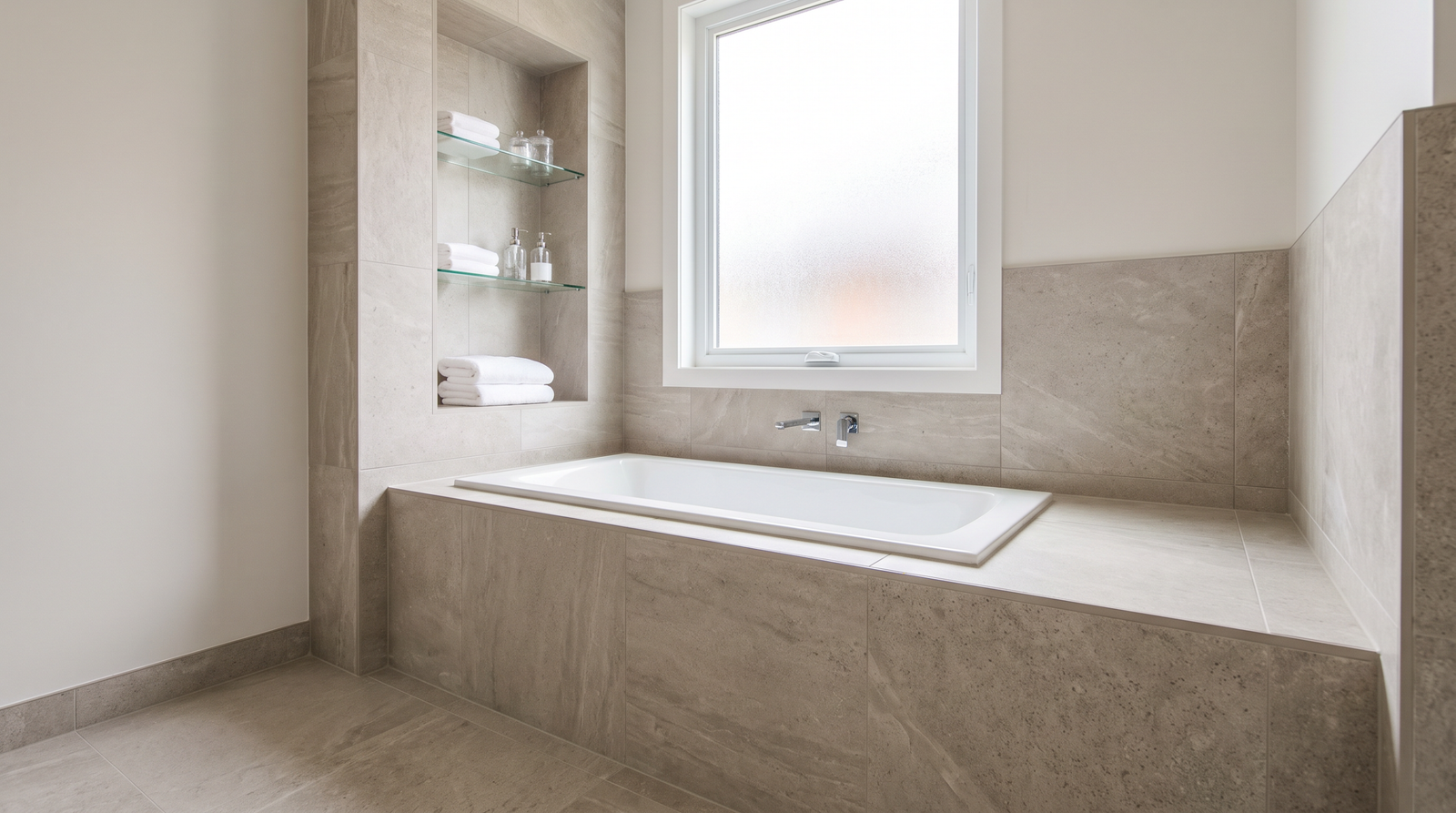
A freestanding tub stands on its own, with finished sides you can see from every angle. It can sit in the middle of the room or against a wall, and is usually filled by a floor-mounted or wall-mounted faucet. A built-in tub (often called an alcove or drop-in tub) is installed into a surround or deck, with tile or panels on the walls and sides, so only the front or top shows.
Both can be gorgeous. The difference is mostly about how much room they need, how they are installed and how much upkeep the surrounding space requires.
Freestanding Tubs: Pros and Cons
A freestanding tub is the classic spa look. Pros include:
- Visual impact. It becomes a focal point, especially in front of a window or feature wall.
- Flexible styles. Soaking, clawfoot, modern oval and more.
- Easy to clean around. There are no tiled decks or tight corners to scrub.
The trade-offs are practical. Freestanding tubs need generous floor space, including clearance around them, which can be tough in compact Chicago bathrooms. Many people also find there is no place to set shampoo or a drink unless you add a shelf or stool. Plumbing for floor-mounted fillers can be more involved, and a heavy tub may require checking the floor structure. If you want a shower too, you will likely need a separate one.
Built-In Tubs: Pros and Cons
A built-in tub is the dependable all-rounder. Pros include:
- Space efficiency. It fits against walls, making smaller bathrooms work harder.
- Tub-shower combination. Add a curtain or glass panel and one fixture serves both needs.
- Built-in storage. Decks and niches provide handy spots for bath products.
On the downside, built-in tubs look less dramatic, and a tiled surround means more grout and caulk lines to maintain. The design relies on high-quality waterproofing behind the tile, since moisture is the main long-term risk. That is why the surrounding tile and natural stone installation matters as much as the tub itself.
What Affects the Cost?
There is no single price for either style. A freestanding tub is not automatically cheaper or more expensive than a built-in one. These factors usually decide the final number:
- The tub itself. Material, size and brand vary widely.
- Plumbing changes. Moving drains or adding a floor-mounted filler can add work.
- Tile and waterproofing. Built-in tubs need a finished surround, while freestanding tubs may need a finished feature wall or floor.
- Structural needs. Heavier tubs in older homes may call for floor reinforcement.
- Fixtures and extras. Faucets, glass, lighting and storage add up.
Because every bathroom is different, the most reliable way to compare is to request a personalized quote for each option. If you want more inspiration, read our post on luxury bathtub remodeling.
How to Choose for Your Chicago Bathroom
- Measure first. Freestanding tubs need clearance on all sides for comfort and cleaning.
- Think about daily use. If you shower often, a built-in tub-shower may serve you better.
- Consider your home. Older bungalows and two-flats often have compact bathrooms that suit built-in layouts.
- Plan for resale. Keeping at least one bathtub in the home is generally wise.
- Talk to a pro. A remodeler can check plumbing, floor structure and layout before you fall in love with a tub.
Planning the whole room at once is smart. See our bathroom remodeling in Chicago services for an overview.
FAQ
Is a freestanding tub more expensive than a built-in tub?
Not necessarily. The tub, plumbing, tile and installation details all affect the total, so request a personalized quote for each option.
Can I put a freestanding tub in a small bathroom?
Sometimes, with a compact model and careful planning, but you need clearance around it. In very small bathrooms a built-in tub is often more practical.
Do freestanding tubs need special plumbing?
Often they do, especially with floor-mounted fillers. The drain location and floor structure should be checked early.
Can a built-in tub also be a shower?
Yes. Adding a curtain or glass panel and shower fixtures turns it into a tub-shower combination.
Which is easier to clean?
Freestanding tubs are easy to clean around, while built-in tubs have grout and caulk lines that need occasional care.
Get a Free Quote for Your New Bathtub
Whether you lean freestanding or built-in, a great result comes from good planning and careful installation. PM Tile works with Chicago homeowners on bathrooms, kitchens, tile and stone. Every project is different, so request a free, personalized quote and let’s talk about your bathroom.